
Northern New Jersey homeowners often notice hard water’s effects on their skin and hair long before they see mineral scale building up on fixtures. If your showers leave you with tight, itchy skin, persistent dryness that does not respond to lotion, or family members whose eczema seems worse at home than anywhere else, your water chemistry may be playing a larger role than you realize.
In Part 1 of this guide, we explain what hard water is, why it is so prevalent in our region, and specifically how it affects your skin, including the underlying chemistry, the dermatological research, and the practical steps you can take before investing in any equipment. Part 2 covers the effects on hair and scalp, long-term treatment options, and how to choose a solution that addresses the root cause.
What hard water is and why it is so common here
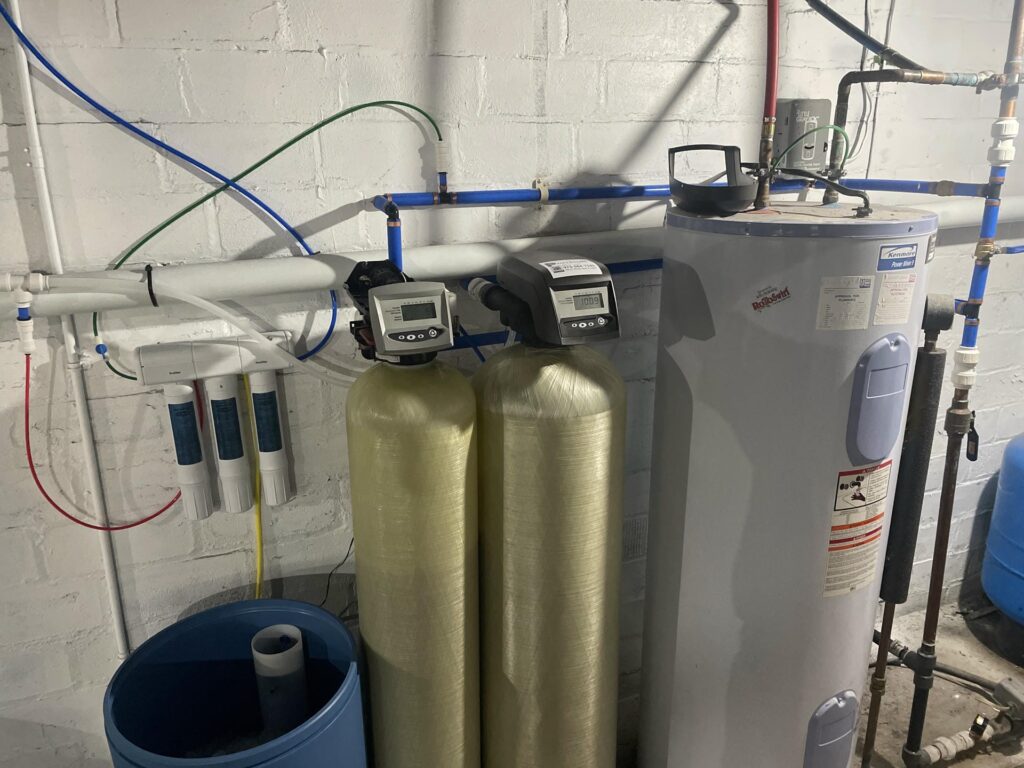
Hard water contains elevated concentrations of dissolved calcium and magnesium. In Northern New Jersey, these minerals originate primarily from local limestone and other sedimentary rock formations that groundwater flows through on its way to wells and municipal intakes. Counties including Bergen, Passaic, Morris, Essex, Hudson, and Sussex are all affected, and the hardness levels we measure in this region regularly fall into the hard to very hard classification used by the Water Quality Association.
The U.S. Geological Survey estimates that approximately 85 percent of American homes receive water with some degree of hardness. New Jersey is no exception, and in many parts of our service area, hardness levels are high enough to cause visible and physical effects on a daily basis.
You may already recognize the household indicators:
- White or chalky spots on glassware and shower doors
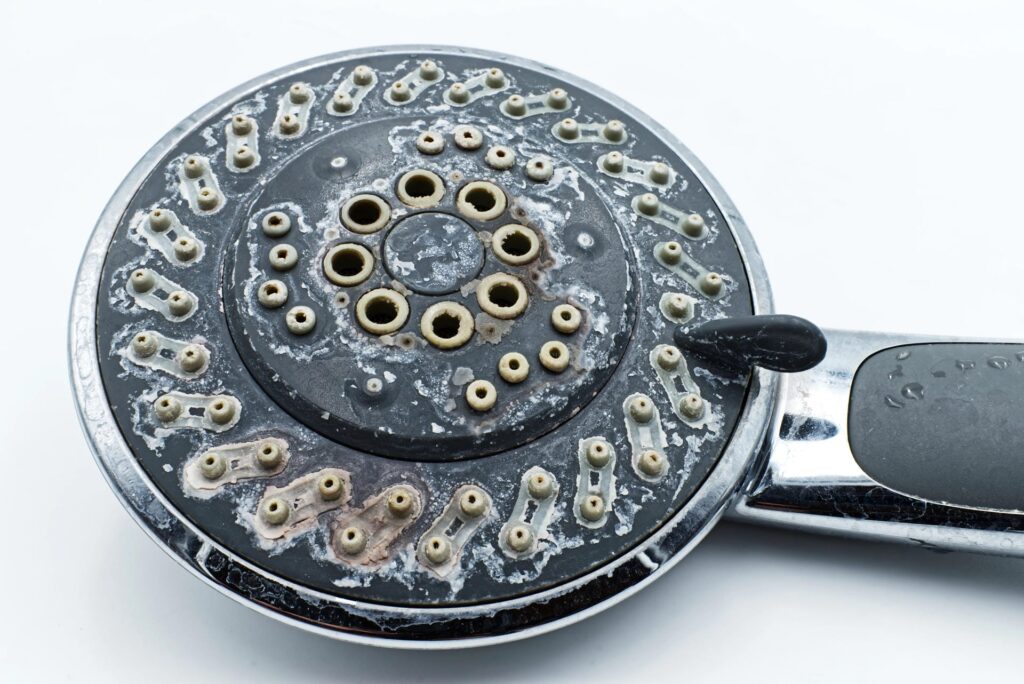
- Mineral crust forming around faucets and showerheads
- Soap that resists lathering and is difficult to rinse completely
- Scale buildup inside water heaters and dishwashers
The same minerals that leave these deposits on surfaces are interacting with your skin and hair during every shower and bath.
The chemistry of hard water and your skin
Most homeowners assume that dry, irritated skin after showering is caused by hot water or harsh soaps. Hard water adds a more subtle but chemically significant factor that those explanations do not account for.
Calcium and magnesium ions react with the fatty acids in soaps, body washes, and many cleansers. This reaction forms insoluble compounds, commonly called soap scum, that do not dissolve properly in hard water. Instead of rinsing away cleanly, these compounds remain on the surface of the skin as a thin film.
This film produces several compounding effects:
- It prevents complete removal of soap and surfactants from the skin surface
- It strips the skin’s naturally protective oils during repeated exposure
- It creates micro-irritation through friction against the skin barrier
- Over time, mineral deposits themselves can clog pores
Research published in dermatological literature documents this mechanism clearly. Hard water interferes with soap dissolution, and the residue left behind strips the skin of its natural oils, resulting in dryness, flaking, and itching that is especially pronounced in people with already sensitive skin. Westlake Dermatology’s clinical review notes that this same residue can clog pores and contribute to acne breakouts even in people without a prior tendency toward skin problems.
Hard water and eczema: what the research shows
The connection between hard water and eczema, formally called atopic dermatitis, is one of the most studied areas in water quality and dermatology. Studies have documented a strong correlation between water hardness in a given area and the incidence of eczema, particularly in children.
Research reviewed in dermatological literature found that families with children who have sensitive skin or established eczema frequently report that symptoms are worse at home and noticeably better when traveling to regions with softer water. This is one of the most consistent patterns we hear from Northern New Jersey families as well.
The mechanism is well understood: hard water disrupts the skin barrier by stripping protective lipids and allowing irritants to penetrate more easily. For children whose skin barrier is already compromised by atopic dermatitis, this repeated daily exposure compounds existing inflammation rather than allowing the barrier to recover.
If your child’s eczema flares seem correlated with bathing at home and improve during travel, water hardness deserves serious consideration as a contributing factor.
Your skin’s pH and why water chemistry matters
Healthy skin maintains a slightly acidic surface pH of approximately 4.5 to 5.5. This acid mantle is your skin’s first line of defense against bacteria, moisture loss, and environmental irritants.
Municipal water in Northern New Jersey typically has a pH between 7 and 8.5, meaningfully more alkaline than your skin. Repeated daily exposure to water with a pH significantly different from your skin’s natural range can gradually disrupt the acid mantle, reducing its effectiveness and leaving skin more vulnerable to dryness and irritation.
When corrosive water is also involved, water with low pH that is actively dissolving copper or other metals from plumbing, dissolved metals can further irritate sensitive skin. This is a less common scenario than simple hardness, but it is one we see in older Northern New Jersey homes where low pH and copper plumbing coexist.
Recognizing hard water skin symptoms in your home
Not every case of dry or irritated skin is caused by water quality. But when we see a specific combination of home and personal symptoms together, hardness is a strong suspect.
Household indicators: – White or gray scale around faucets and on shower glass even after cleaning – Soap and shampoo that never seem to fully rinse off – Towels and clothing that feel rough or stiff after washing
Personal indicators: – Skin that feels tight or itchy immediately after showering, even when using gentle products – Persistent dryness on arms and legs, particularly during winter months – Breakouts on the face, back, or chest that seem to worsen with showering frequency – Skin that feels better when you shower at a hotel or at someone else’s home
The last indicator, improvement when away from home, is one of the most diagnostically useful observations we hear. If your skin consistently feels better elsewhere and returns to dryness at home, your home’s water quality is almost certainly a contributing factor.
Short-term steps to reduce hard water stress on skin
Before making any equipment decisions, practical steps can moderate hard water’s effects on your skin. These do not change the underlying water chemistry, but they reduce daily irritation while you evaluate longer-term solutions.
Dermatologists recommend the following strategies for hard water skin protection:
- Use lukewarm rather than hot water for bathing. Hot water compounds the oil-stripping effect of hard water and further disrupts the skin barrier.
- Switch to gentle, low-foaming cleansers that are formulated to rinse more easily and leave less residue in hard water conditions.
- Apply a barrier-supporting moisturizer immediately after bathing, within two to three minutes of toweling off, while the skin is still slightly damp. Look for ingredients including ceramides, niacinamide, and hyaluronic acid, which support the skin barrier rather than simply adding surface hydration.
- Consider micellar water or similar products for facial cleansing to minimize direct hard water contact with facial skin, which is often the most sensitive area.
These steps provide meaningful partial relief. For individuals with chronic dry skin, eczema, or psoriasis, however, symptom management through skincare products is typically insufficient on its own. The most consistent and durable improvement comes from addressing the water chemistry directly.
What comes next
Understanding how hard water affects your skin is the first step toward choosing the right response. In Part 2, we shift focus to your hair and scalp, where hard water creates a different but equally persistent set of problems, from mineral coating and scalp calcification to accelerated color fading.
Part 2 also covers long-term treatment options, how professional water testing informs the right solution, and the specific points at which most Northern New Jersey homeowners should move from observation to action.
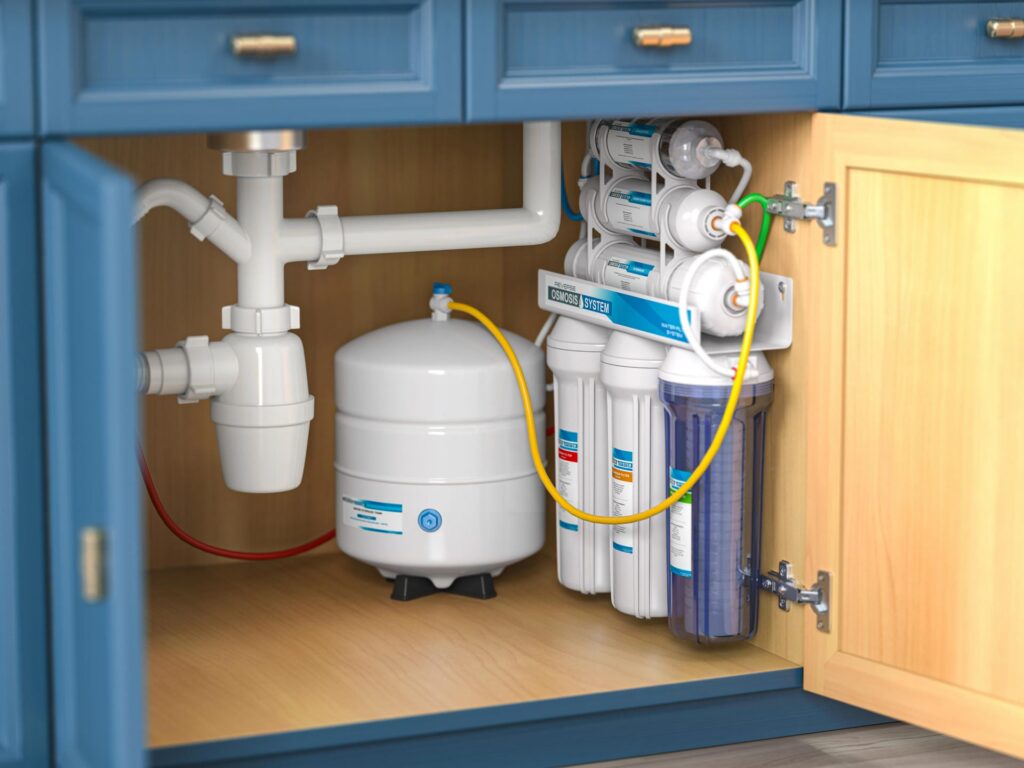
If you are already seeing the skin symptoms described in this article and want to understand your water’s hardness level before reading further, schedule a free water test and we will measure your home’s specific hardness and related parameters so you have accurate data to work from.