
In Part 1 of this guide, we covered how to recognize water quality symptoms in a Northern New Jersey home, understand the key contaminants that affect our region, and why professional testing must come before any equipment purchase. If you have not yet read Part 1, it provides the diagnostic foundation that makes the technology choices in this section meaningful.
With accurate test results in hand, the next step is matching specific systems to specific confirmed problems. This is where many homeowners, and some contractors, make costly errors. The right system for one Northern New Jersey home can be completely wrong for another with similar-looking symptoms but different underlying water chemistry.
Match treatment technologies to confirmed problems
Each treatment technology solves a different set of water quality problems. Some systems are designed to work together in sequence. Understanding what each one does, and what it does not do, is the foundation of a well-designed treatment plan.
Sediment filtration
Sediment filters are almost always the first stage in a whole-house system. They remove visible particles, sand, rust flakes, grit, and debris, that can damage plumbing and reduce the effectiveness of every downstream treatment component.
In Northern New Jersey homes, sediment filtration:
- Protects fixtures, valves, and appliances from abrasive particulate wear
- Extends the performance and lifespan of carbon filters, softener resin, and RO membranes
- Addresses cloudy or gritty water at the source
For homes with frequent aerator clogging, appliance failures, or cloudy water, a properly sized sediment filter is typically the first upgrade we recommend, regardless of what else the treatment plan includes.
Water softeners and scale control
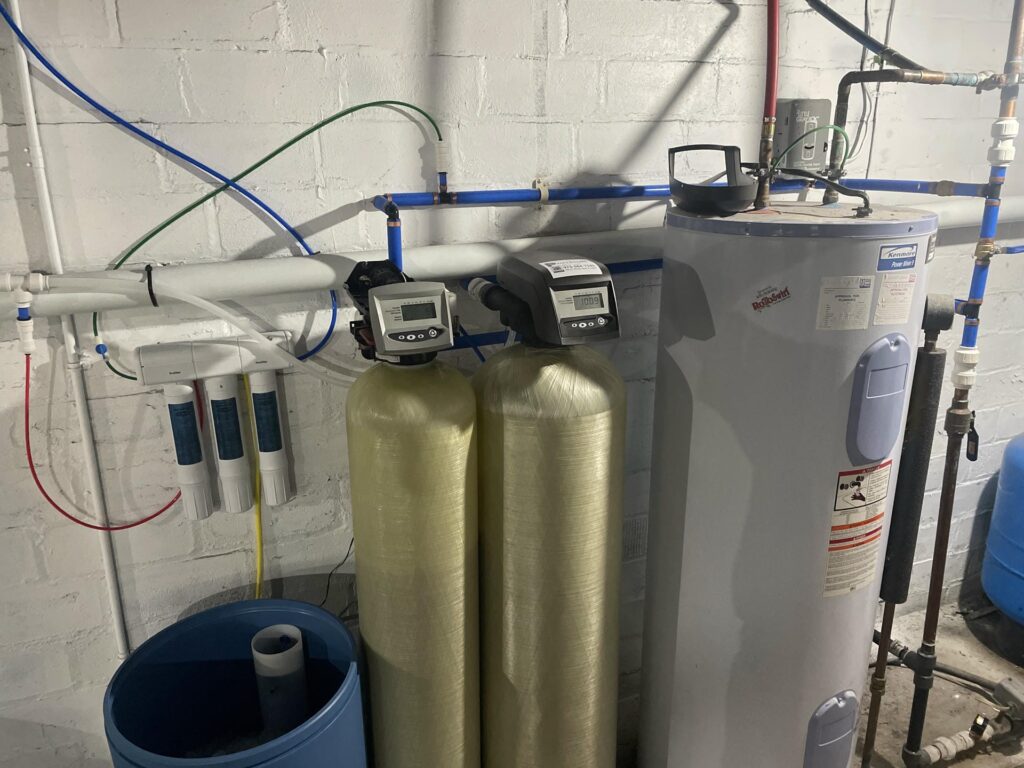
For confirmed hard water, ion exchange softening is the most reliable and thoroughly documented treatment method. These systems replace calcium and magnesium ions with sodium or potassium using a resin bed that periodically regenerates with brine. The result is water that no longer deposits scale.
Benefits of properly installed and maintained softening include:
- Elimination of limescale in water heaters, dishwashers, and washing machines
- Significantly improved soap and detergent performance
- Noticeable improvement in skin feel and hair condition after bathing
- Extended appliance lifespan and reduced energy consumption
Softener sizing must match both your confirmed hardness level and your household’s daily water use. An undersized system regenerates inefficiently and allows hardness breakthrough. An oversized system wastes salt and water. This is one area where professional sizing based on actual test data makes a meaningful difference in long-term performance.
For homes in areas with high hardness but where full softening is not desired, for example where dietary sodium is a concern, template-assisted crystallization (TAC) conditioners can reduce scale formation without removing minerals from the water. These systems work differently from ion exchange and have a different performance profile, particularly at higher hardness levels. They are not equivalent to full ion exchange softening in terms of scale prevention.
Iron and manganese removal
Iron and manganese treatment depends heavily on the form of the metals and the overall water chemistry, which is exactly why testing before treatment is non-negotiable for these contaminants.
Common approaches include:
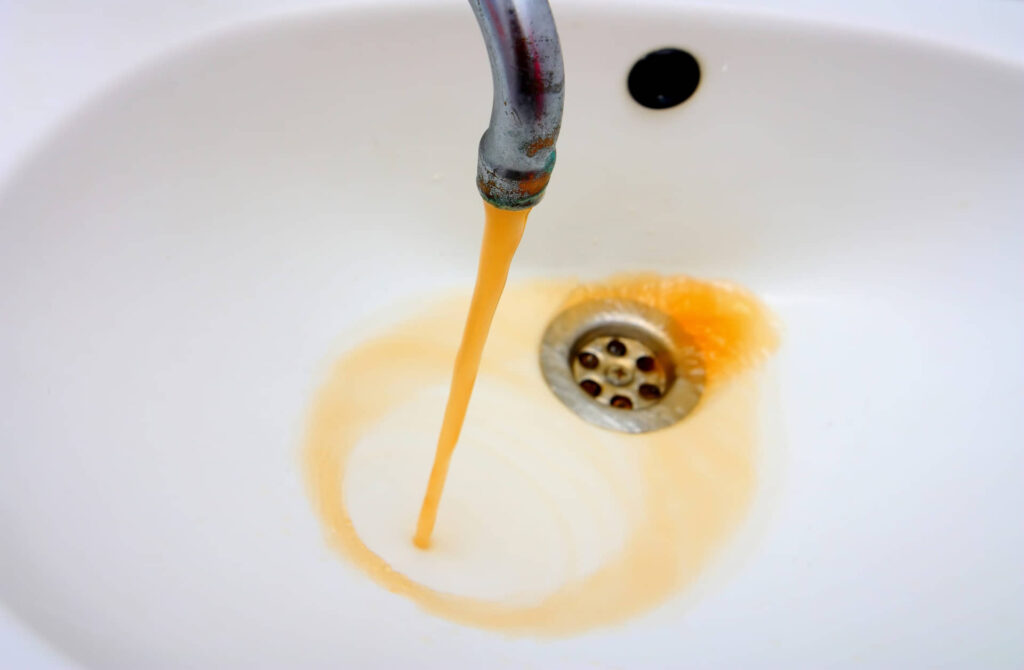
- Oxidation and filtration systems that convert dissolved ferrous iron to filterable ferric particles, then capture them in a media bed
- Specialty iron filter media designed for both ferrous and ferric iron across a range of concentrations
- pH adjustment where low pH is making iron more soluble and harder to filter
- Shock chlorination and dedicated iron bacteria treatment where biological iron is confirmed by testing
For well owners, we frequently integrate iron filtration with softening so that both staining and hardness are addressed in a coordinated system. This also protects the softener resin from iron fouling, which significantly extends its useful life.
Taste, odor, and chemical reduction
Activated carbon filtration is the standard approach for improving taste and reducing chlorine or chloramine levels in municipal water. Carbon systems work through adsorption, trapping organic chemicals, disinfection byproducts, and many volatile organic compounds on the surface of the carbon media.
Activated carbon is particularly effective for:
- Removing chlorine taste and odor from municipal supplies
- Reducing many volatile organic compounds
- Improving the quality of water used for cooking, coffee, and drinking
For more complex contaminant profiles, particularly PFAS or certain industrial chemicals, carbon may be combined with additional specialized media. The EPA’s guidance on drinking water treatment technologies outlines which technologies are effective for specific regulated contaminants, a useful reference when evaluating options for serious contamination concerns.
Reverse osmosis for drinking water
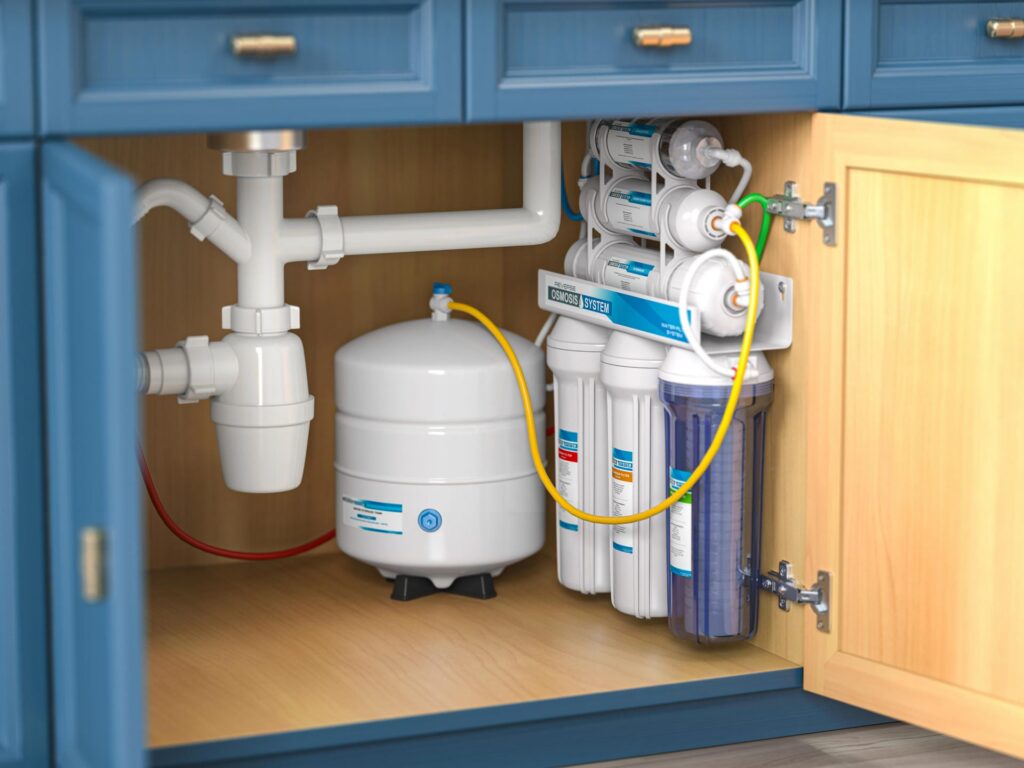
Reverse osmosis uses a semipermeable membrane under pressure to remove dissolved solids, many metals, and a broad range of contaminants at a single point of use, typically under the kitchen sink. RO systems are among the most effective residential technologies for producing high-purity drinking and cooking water.
In Northern New Jersey homes, reverse osmosis is well-suited for:
- Reducing dissolved solids, nitrates, and heavy metals including lead and arsenic
- Providing an additional margin of safety for families with specific health concerns
- Addressing PFAS and many other emerging contaminants that standard carbon filters do not reliably remove
One important characteristic of RO systems: they produce a reject water stream during the filtration process. This wastewater is a normal part of how the membrane operates, and it is worth understanding when evaluating overall water use efficiency in your home. For households on sodium-restricted diets who are also using a salt-based softener, a point-of-use RO system at the kitchen sink provides softening benefits throughout the home while keeping sodium out of drinking water.
Maintaining an RO system requires periodic filter and membrane replacement on a defined schedule. Skipping this maintenance reduces effectiveness and can ultimately damage the membrane, turning a cost-effective system into an expensive repair.
Disinfection and specialized treatment
For microbial concerns or specific contaminants such as radon and hydrogen sulfide, additional treatment steps are available:
- Ultraviolet (UV) disinfection inactivates bacteria, viruses, and other microorganisms without adding chemicals. It is particularly important for private well owners with confirmed or suspected biological contamination. UV requires clear, low-turbidity water to function effectively: sediment filtration must precede it.
- Aeration systems address dissolved gases including radon and hydrogen sulfide, stripping them from the water before it enters the home’s distribution system.
- Calcite neutralizing filters and chemical feed systems correct low pH, stopping corrosive water from attacking copper plumbing and leaching metals.
Weigh whole-house versus point-of-use options
Once we understand which technologies are needed, the next decision is scope. In most Northern New Jersey homes, a combination of whole-house and point-of-use treatment provides the best balance of protection, cost, and convenience.
Whole-house systems treat all water entering the home. They are appropriate for:
- Hardness and scale control
- Sediment removal
- Iron and manganese reduction
- General taste and odor improvement across all taps
Point-of-use systems focus on a single tap, most commonly the kitchen sink. They are best suited for:
- Reverse osmosis for high-purity drinking and cooking water
- Specialty cartridges for targeted contaminant reduction at one location
The practical advantage of layering both approaches is that each component does exactly the job it is best designed for. The whole-house system protects your plumbing, fixtures, and appliances. The point-of-use system delivers the highest purity water where you actually consume it.
A note on installation
For sediment cartridge filters or basic carbon filters, some homeowners consider do-it-yourself installation to manage upfront cost. For more complex configurations, including softeners, iron filters, UV systems, RO units, or any combination, professional installation is strongly advisable. Poor installation can void equipment warranties, create cross-contamination risks, or result in a system that works intermittently rather than consistently.
Plan for maintenance and long-term performance
Even a well-designed, correctly installed system will only perform as intended if it is maintained properly. Northern New Jersey’s water conditions, particularly high hardness and in well areas elevated iron, can accelerate wear on filters and media if maintenance is deferred.
Key intervals to plan for:
- Sediment and carbon filters typically need replacement every three to twelve months, depending on water quality and usage volume
- Water softeners require regular salt replenishment and periodic professional service to verify resin condition, valve function, and regeneration settings
- Reverse osmosis systems use multiple pre-filter and post-filter stages that need scheduled replacement to protect the membrane, plus membrane replacement every two to three years under typical conditions
- UV systems require annual lamp replacement to maintain disinfection effectiveness
Neglecting maintenance does not just reduce performance. In some cases, exhausted carbon filters and stagnant RO tanks can become sites for bacterial growth, introducing a new problem while failing to solve the original one.
We also view water treatment from a long-term asset perspective. A well-chosen, properly maintained system protects your plumbing infrastructure, extends appliance life, and reduces the repair and replacement costs that poor water quality generates quietly over years. The investment in maintenance is almost always smaller than the cost of what neglected maintenance allows to happen.
Bring it together with a tailored plan
Choosing the right water treatment system in Northern New Jersey is not about selecting a popular brand or buying the most comprehensive unit available. It is about executing three steps in the correct order:
- Identify the symptoms you are already seeing throughout your home
- Confirm the underlying water chemistry through appropriate professional testing
- Match specific technologies to confirmed issues, with attention to system sequencing, installation quality, and a realistic maintenance plan
Northern New Jersey presents a wide variety of water conditions across municipalities, well fields, and individual properties. There is no universal solution. Our role as water treatment professionals is to interpret both your test results and your lived experience at home, then design a solution that addresses your specific concerns without unnecessary complexity or cost.
A well-chosen, well-maintained system is not simply a filter. It is part of your home’s infrastructure, as essential to long-term performance as the roof, the electrical service, or the HVAC system.
If you are noticing staining, dry skin, cloudy water, or have concerns about contaminants in your water, the most productive next step is a professional water test. Schedule a free water test and we will help you translate your results into a targeted, effective treatment plan designed for your Northern New Jersey home. You can also explore our full range of treatment services or contact us directly with any questions about your specific situation.