
If you or someone in your household has blonde or highlighted hair and it keeps developing a greenish tint, it is natural to blame chlorine. In reality, green hair from shower water has far more to do with copper, water pH, and plumbing corrosion than it does with pool chemicals. As Northern New Jersey water treatment specialists, we see this symptom regularly — and we treat it as an early warning sign that your home’s water may be affecting more than just your hair.
In this article, we explain what is actually happening, why it is especially common in our region, and which water treatment options solve the problem rather than just masking it.
The real cause: copper, pH, and your plumbing
Green hair from shower water is almost always a copper problem, not a chlorine problem. Research and industry analysis confirm that dissolved metals in water — copper in particular — are the primary cause of green tinting in blonde hair, not chlorine itself.
In many Northern New Jersey homes, copper enters the water in two main ways:
- Corrosion of household copper plumbing, particularly in older homes
- Trace copper already present in municipal or well water, made more aggressive by low pH or elevated oxidant levels
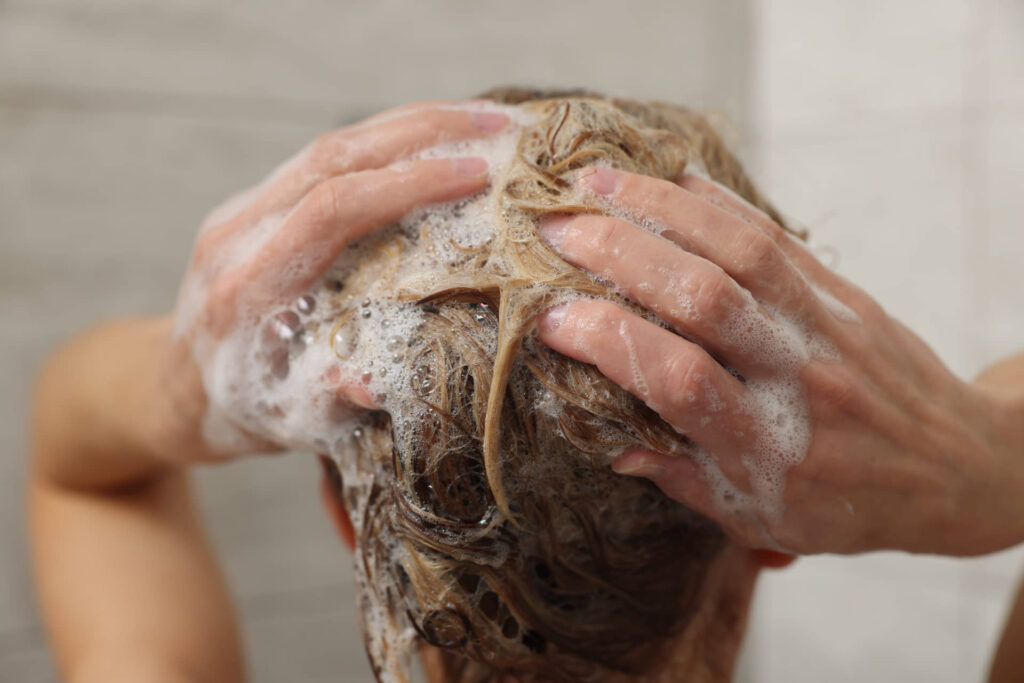
When water is even slightly corrosive, microscopic copper particles release from pipe walls and stay dissolved in the water. When that water contacts porous, chemically treated blonde hair, those copper particles bind to the hair’s protein structure. Over time, they accumulate and oxidize — producing the greenish cast that no shampoo seems to fix.
Water pH is central to this process. Low pH water is corrosive. It attacks metal plumbing and accelerates copper leaching. That is why green hair is often an early, visible symptom of a broader corrosion problem inside your home — one that is also shortening the life of your pipes, fixtures, and appliances.
Why blonde and color-treated hair turns green first
Not everyone in a household will notice green tones at the same time. Blonde and chemically lightened hair are typically affected first and most dramatically, for a specific reason.
Hair research has documented two key mechanisms:
- Lightened hair has a thinner, more porous cuticle from the bleaching process, which means it absorbs more copper ions from water with each wash
- Copper ions catalyze free radical damage in the hair shaft — an oxidative process similar to UV exposure — which accelerates color fading and structural wear
In a study involving 450 women, hair samples showed copper concentrations averaging 20 to 200 parts per million. Some samples exceeded 500 parts per million, confirming that copper accumulation from water is widespread, not an isolated edge case.
In practical terms, your hair is acting as a mineral filter for your shower water. If one person in your home has noticeably green or rapidly fading color, that is a strong signal to investigate the water itself — not just change hair products.
Chlorine’s actual role: damage, not color
Chlorine is frequently blamed because swimmers associate “chlorine green” with pool water. But controlled studies going back decades show that chlorine alone does not turn hair green. What chlorine does is oxidize the hair, roughening the cuticle and making it more porous — which then allows copper ions to bind more easily.
The sequence in both pools and showers follows the same pattern:
- Copper ions are present in the water
- Chlorine or other oxidants open and roughen the hair’s surface
- Copper binds to hair proteins, forming a copper-keratin complex (a bond between the metal ion and the structural protein in your hair shaft), and the hair appears green
So while it is accurate to say that chlorine makes the problem worse, the source of the green color is always copper.
From a home water quality standpoint, this matters because many municipal systems in Northern New Jersey use chlorine or chloramine to keep water microbiologically safe. That disinfection step is necessary — but if the water is also slightly corrosive or already contains trace copper, the combination creates ideal conditions for hair discoloration and ongoing plumbing wear.
Warning signs beyond your hair
If copper is leaching from your plumbing, your hair is rarely the only surface affected. We frequently see a cluster of accompanying signs:
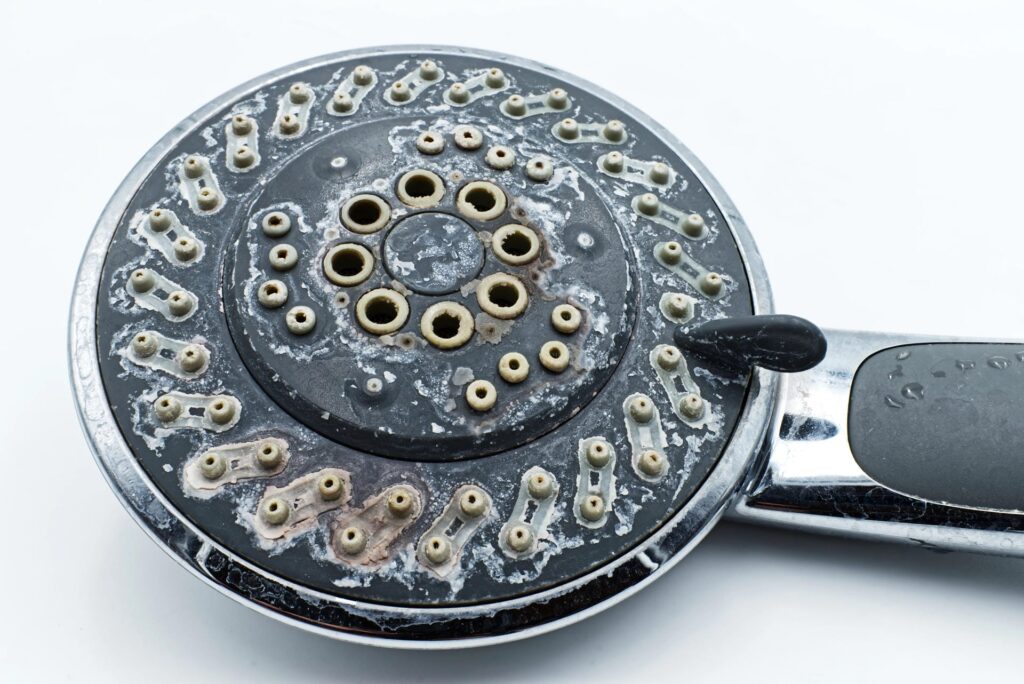
- Green or blue-green staining around sink and tub drains
- A powdery blue-green ring where water evaporates on fixtures
- Pinhole leaks or unexplained small drips in copper lines
- A metallic or bitter aftertaste in tap water
Plumbing professionals note that blue-green staining on fixtures is a reliable indicator of active copper corrosion — the same process that shortens pipe lifespan and can lead to costly repairs if left unaddressed.
When we see both green hair and fixture staining in the same home, we treat it as a system-level water quality issue, not a cosmetic inconvenience.
Why this is especially common in Northern New Jersey
Northern New Jersey has a combination of factors that makes green hair from shower water particularly prevalent:
- Older housing stock with decades of copper plumbing that may have corroded internally over time
- Both municipal and well water supplies that can be slightly acidic or low in alkalinity
- Disinfectants and dissolved oxygen in the water that accelerate oxidation on contact surfaces like hair and fixtures
Hair and water researchers note that copper concentrations above approximately 0.3 parts per million can be sufficient to cause green tinting in porous or bleached hair. The EPA’s action level for copper in drinking water is 1.3 milligrams per liter — but hair discoloration and fixture staining can occur well below that regulatory threshold.
This is why copper levels that “pass” regulatory testing can still cause visible problems in your home. Any combination of green hair, blue-green stains, and metallic taste warrants a closer look at pH, alkalinity, and dissolved metals in your specific water.
Short-term fixes — and their limits
Hair professionals have several tools to address green discoloration after it appears:
- Chelating shampoos containing ingredients such as EDTA, which bind copper ions and allow them to rinse away. Research suggests using these approximately twice a month to reduce buildup without over-drying the hair
- Deep clarifying treatments that remove mineral deposits and help close the cuticle
- pH-balanced conditioners that reduce hair porosity and make the shaft less absorbent between washes
These measures are genuinely useful for managing the symptom on the hair. But they do not address the copper or the corrosive water chemistry producing it. If the underlying conditions in your plumbing remain unchanged, the problem will return on the same schedule.
Permanent solutions: treating the water, not just the hair
To stop green hair from shower water for good, we focus on controlling three things at the source: copper levels, pH, and corrosivity. The right combination depends on whether your home is on a municipal supply or a private well, and on your specific water chemistry.
Showerhead and point-of-use filters
Shower filters designed to reduce metals, including copper, can provide an immediate reduction in hair discoloration. Cartridges that target copper and also reduce chlorine are particularly effective at protecting light-colored hair from ongoing damage. We view these as a useful first step — especially in rental situations — but they do not address corrosion in the rest of the plumbing or other whole-home water issues.
pH correction and corrosion control
If testing confirms that your water is acidic or low in alkalinity, neutralizing filters or chemical feed systems can raise pH into a range that is much less aggressive toward copper plumbing. By stabilizing pH, we slow or stop further leaching from pipe walls — which in turn reduces copper at the tap, in the shower, and throughout the system.
This step is especially important for well owners and for older Northern New Jersey homes built when copper was the standard plumbing material. It also protects water heaters, fixtures, and appliances from the same corrosive chemistry that is affecting your hair.
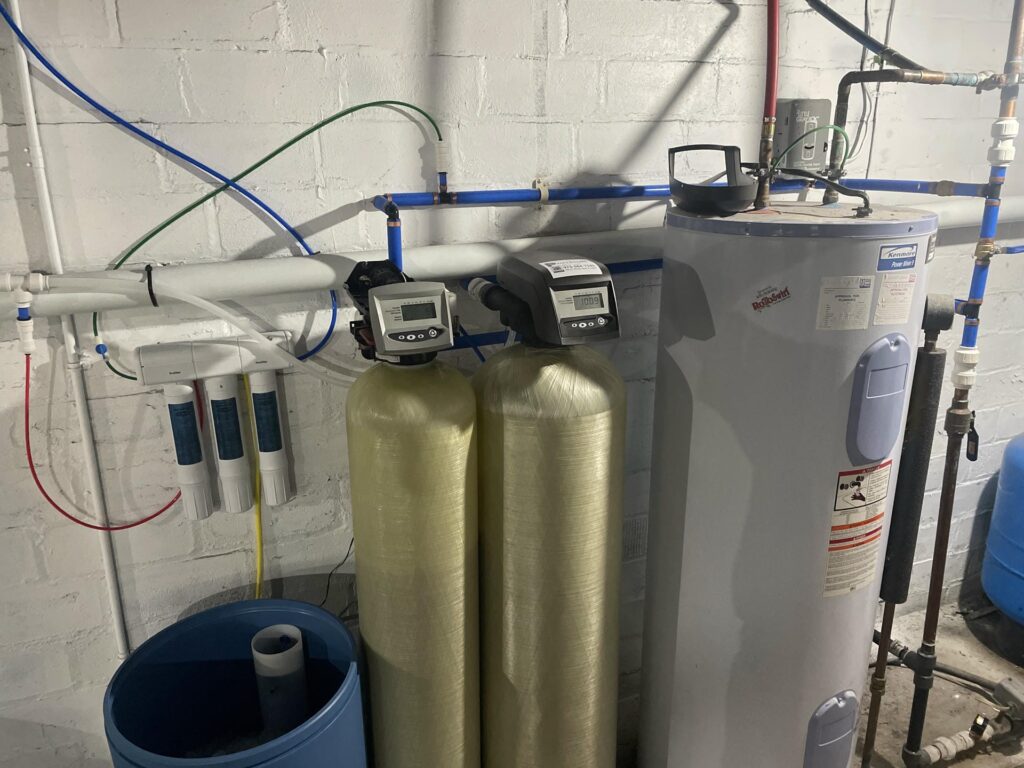
Whole-home filtration and softening
In homes where copper is one of several water quality issues, a more comprehensive approach may be appropriate. When we see green hair alongside limescale, soap scum, or cloudy glassware, the solution often involves:
- A whole-home filter for metals and sediment
- A properly sized water softener for hardness
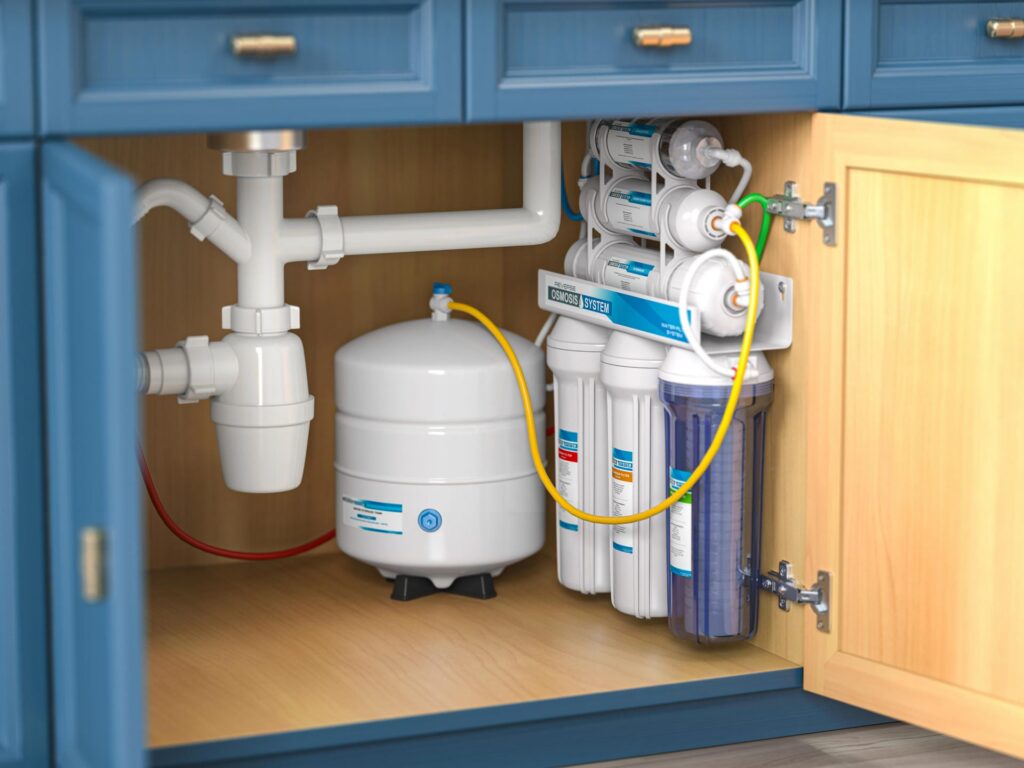
- Point-of-use filtration for drinking and cooking water
Proper system selection and sizing are critical. We always begin with a detailed water analysis and design a system around your specific test results — not a one-size-fits-all configuration.
Why a professional water test is the right next step
Topical treatments and shower filters can offer short-term relief. But if you are seeing green hair, blue-green staining, or metallic taste, these are indicators of a water chemistry problem that deserves a complete evaluation.
A comprehensive test will typically cover:
- Copper and other dissolved metals
- pH, alkalinity, and hardness
- Chlorine or chloramine levels for municipal supplies
- Iron, manganese, and sediment — particularly for private wells
For private well owners, this kind of testing is especially important since you are solely responsible for your own water quality.
Once we have accurate data, we can explain in clear terms what is happening in your water, why you are seeing the specific symptoms you have described, and which combination of treatment options makes the most sense for your home and budget.
If you are noticing green tones in blonde or highlighted hair, blue-green staining on fixtures, or related issues such as scale, dry skin, or unusual taste, schedule a free water test so we can evaluate your home’s specific water profile and recommend a solution that addresses the root cause.