
If your home in Morris County or the surrounding area relies on a private well for its water supply, there is one test you should never skip: coliform bacteria. It is the most fundamental indicator of whether your drinking water is microbiologically safe. Because private wells are not regulated or monitored by the EPA or your local municipality, the responsibility for that testing falls entirely on you as the homeowner. (NJDEP Private Wells – dep.nj.gov/privatewells/testing)
Understanding Coliform Bacteria
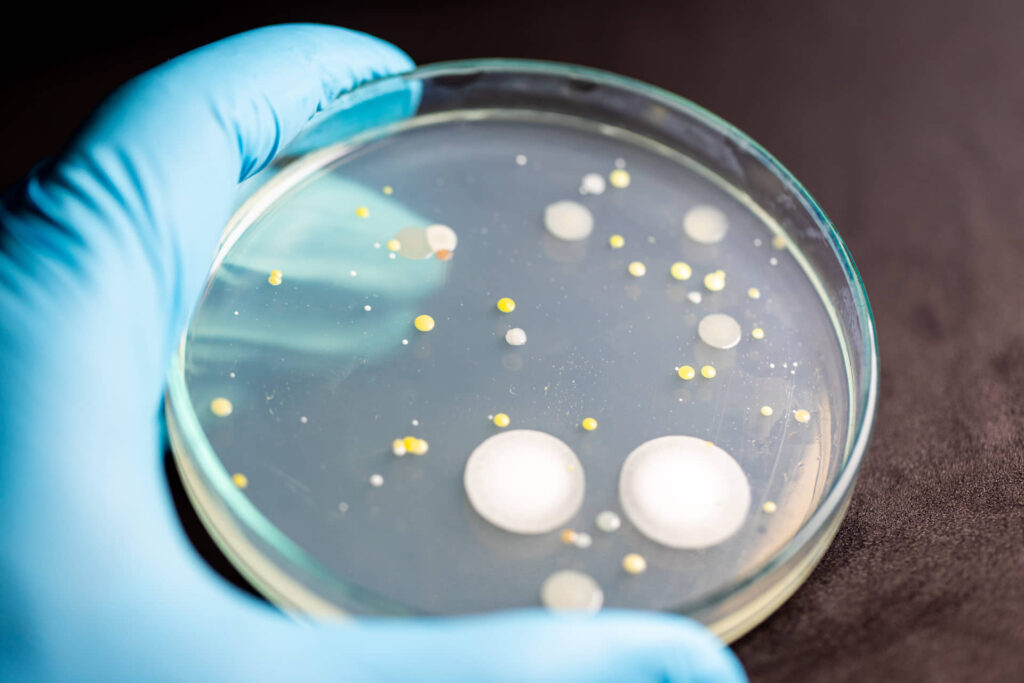
Total coliform bacteria are a broad group of microorganisms found naturally in soil, surface water, vegetation, and the intestinal tracts of warm-blooded animals. While many are harmless, their presence in well water signals a critical problem: if coliform bacteria can reach your water supply, so can far more dangerous pathogens, including E. coli, Giardia, and Cryptosporidium, all of which can cause serious gastrointestinal illness. (WQA Common Contaminants – wqa.org)
Most coliform species are not harmful on their own, but they serve as a practical early-warning indicator for microbial contamination. Testing for total coliform is the standard method for assessing overall water safety because directly testing for every possible pathogen is complex, time-consuming, and expensive. The EPA’s standard for total coliform in drinking water is zero — none should be detected. (WellOwner.org – Bacteria in Private Wells – wellowner.org)
It is also important to note that bacterial contamination has no taste, odor, or color. Your water can look and smell completely normal while harboring coliform bacteria. Laboratory testing is the only reliable way to know.
Why Morris County Wells Carry Specific Risks
Much of Morris County sits within the New Jersey Highlands region, a geologically and environmentally distinct area covering approximately 1,300 square miles and portions of seven counties, including Morris, Hunterdon, Sussex, and Somerset. The Highlands supplies drinking water to more than 70% of New Jersey residents and is protected under the 2004 New Jersey Highlands Water Protection and Planning Act. (NJ Highlands Council – nj.gov/njhighlands)
Most private wells in this region draw water from fractured bedrock aquifers, where water flows through cracks and fissures in Precambrian crystalline rock rather than through sandy soils. Unlike aquifers in southern New Jersey where soil provides a natural filtration layer, fractured rock aquifers allow contamination to travel quickly and unpredictably once a pathway exists. That makes source protection and regular testing especially important for well owners in this part of the state.
State health data also puts the region’s bacterial risk in context. Between September 2002 and December 2023, fecal coliform or E. coli was detected in 1.8% of 138,360 private wells tested across New Jersey, with the highest detection rates occurring in Hunterdon, Somerset, Sussex, and Union Counties — all neighbors of Morris County sharing the same Highlands geology and fractured bedrock aquifer conditions. (NJ SHAD Fecal Coliform in Private Wells – www-doh.nj.gov/doh-shad)
Additionally, extended dry periods lower the water table, which can concentrate contaminants and reduce natural dilution in shallower wells. If your well has been stressed by drought conditions, that is a sound reason to test sooner rather than later.
How Bacteria Enter Your Well
Private wells are designed to be sealed systems, but contamination pathways can develop over time through several mechanisms:
- Well casing deterioration: As well casings age, particularly older steel casings common in Morris County homes built before current construction standards, cracks, corrosion, or ground settling can allow surface water and soil bacteria to enter the water column directly.
- Surface water infiltration: Heavy rainfall can wash surface contaminants, including animal waste and soil bacteria, toward the wellhead. This is a heightened concern in the Highlands, where steep terrain and limited soil cover can funnel runoff quickly toward groundwater recharge zones.
- Septic system proximity: An aging or failing septic system can leach fecal bacteria into surrounding groundwater. New Jersey regulations require a minimum separation between wells and potential contamination sources, but many older wells in Morris County were constructed before current setback standards were established.
- Well cap issues: A damaged, missing, or improperly sealed well cap creates a direct entry point for insects, animals, and contaminated surface water.
- Well age and depth: Wells constructed prior to 1996 predate current NJ protective construction standards and may be more vulnerable. Shallower wells are disproportionately susceptible to surface-derived bacterial contamination. (NJDEP Private Wells – dep.nj.gov/privatewells/testing)
New Jersey Law and What It Requires
New Jersey is one of the few states with a dedicated private well testing law. The New Jersey Private Well Testing Act (PWTA), in effect since September 2002, requires that untreated well water be tested before the sale of any property served by a private well, and every five years for rental properties. Results must be reviewed by both buyer and seller prior to closing, and are reported to the NJDEP and the local health authority. (NJDEP Private Well Testing Act – dep.nj.gov/privatewells/pwta)
For Morris County homeowners specifically, the PWTA requires testing for an expanded panel of contaminants that includes uranium, a naturally occurring radionuclide associated with the Precambrian rock formations underlying much of northern New Jersey. Morris County is one of twelve northern and central counties where uranium testing is mandatory under the PWTA. Arsenic testing is also required in Morris County under the same law. (NJ DOH Drinking Water Facts: Private Wells – nj.gov/health/ceohs/documents/pw_faq.pdf)
It is important to understand that the PWTA applies at the point of real estate transaction. It does not require ongoing annual testing for existing homeowners who are not buying or selling. That routine testing is your responsibility to initiate independently.
Treatment Solutions
When a water test returns a positive result for coliform bacteria, action is required before the water is used for drinking, cooking, making ice, or brushing teeth. There are several well-established treatment approaches:
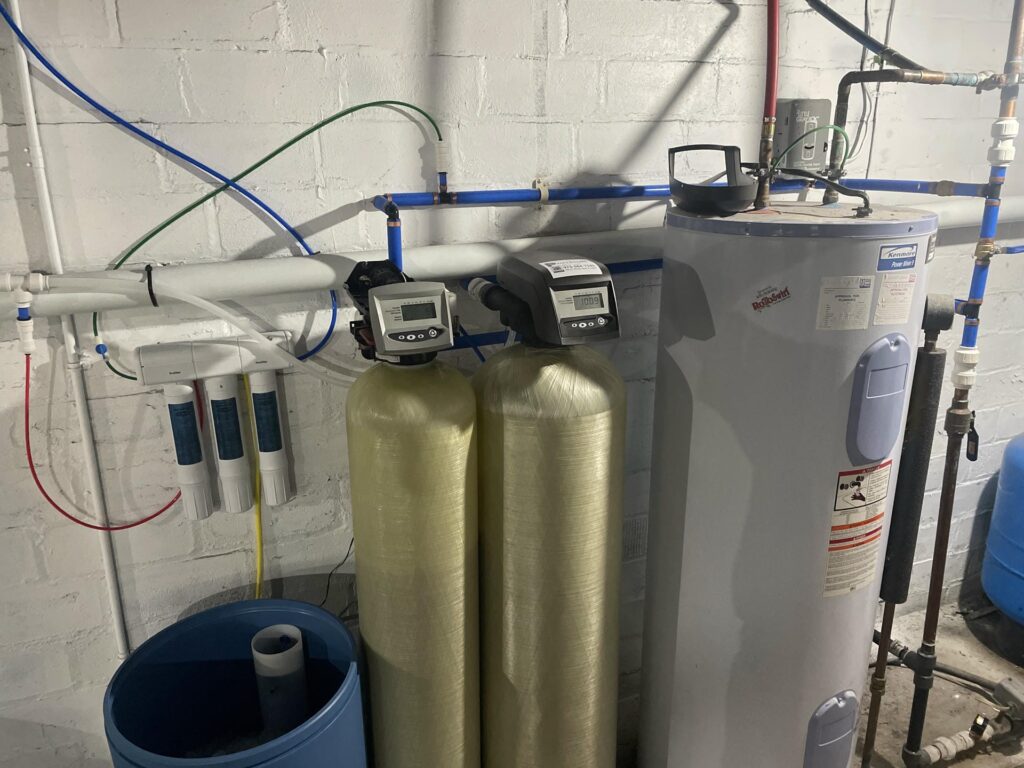
UV Disinfection: A UV light system installed on your main water line inactivates bacteria, viruses, fungi, and protozoan cysts, including Giardia and Cryptosporidium, by disrupting their DNA at a germicidal wavelength. UV disinfection eliminates a broad spectrum of harmful microorganisms without adding any chemicals to the water, leaving taste and odor completely unaffected. The UV lamp requires periodic replacement, and pre-filtration may be needed if your water has elevated turbidity or iron, both common in Highlands-area well water. (WQA Fact Sheets – wqa.org)
Continuous Chlorination: A chlorine injection system provides ongoing chemical disinfection and is particularly well-suited to situations where bacterial contamination is severe, recurring, or intermittent. Chlorination is a recognized, cost-effective method that can also help address iron and manganese, which are frequently found in Morris County well water. A downstream activated carbon filter can address any residual chemical taste if that is a concern. (WQA Common Contaminants – wqa.org)
Well Rehabilitation: Disinfection alone is often not a permanent solution. If contamination is entering through a structural defect, a cracked casing, failed grout seal, or compromised cap, that source must be corrected first. Well casing repair, grouting, or shock chlorination of the well itself may be required before ongoing treatment will be fully effective.
How Often Should You Test?
The NJ Department of Health recommends that private well owners test for total coliform at least once per year, in addition to any testing required under the PWTA. Schedule additional testing after: (NJDEP Private Wells – dep.nj.gov/privatewells/testing)
- Any flooding or surface water intrusion near your well
- Repairs or maintenance to the well, pump, pressure tank, or any water system component
- Noticeable changes in water taste, odor, or appearance
- Gastrointestinal illness in any member of your household
- Learning that a neighboring well has tested positive for contamination
- Extended drought periods that may have lowered or stressed your aquifer
Understanding your well’s risks is the first step. Taking action is the next one. Whether you need a baseline bacteria test, are following up on a positive result, or want to explore the right treatment system for your home, Portasoft of Morris County has the local experience and certified solutions to help. Request a free water test or learn more about residential water treatment options for Morris County homeowners at portasoftnj.com.