

Understanding PFAS in Drinking Water
Learn about per- and polyfluoroalkyl substances (PFAS), their impact on water quality, and the advanced treatment solutions available to protect your family and business.
Quick Navigation
75+ Years
10,000+
Certified
Public Works Certified
Licensed
Home Improvement Contractor
What Are PFAS?
Per- and polyfluoroalkyl substances (PFAS) are a group of synthetic chemicals that have been manufactured and used in various industries since the 1940s. Often called “forever chemicals,” PFAS are extremely persistent in the environment and in the human body.
These chemicals have been widely used in consumer products to make them resistant to water, stains, and heat. Common applications include non-stick cookware, water-repellent clothing, stain-resistant fabrics and carpets, some cosmetics, firefighting foams, and products that resist grease, water, and oil.
Why PFAS Matter
Widespread Presence
Health Concerns
Persistent Nature
Advanced PFAS Treatment Technologies

Granular Activated Carbon (GAC) Filtration
Recommended Maintenance:
Regular monitoring and timely replacement of carbon media is essential. The frequency depends on water usage and PFAS concentration levels. We provide comprehensive maintenance programs to ensure optimal performance.
Reverse Osmosis
Performance:
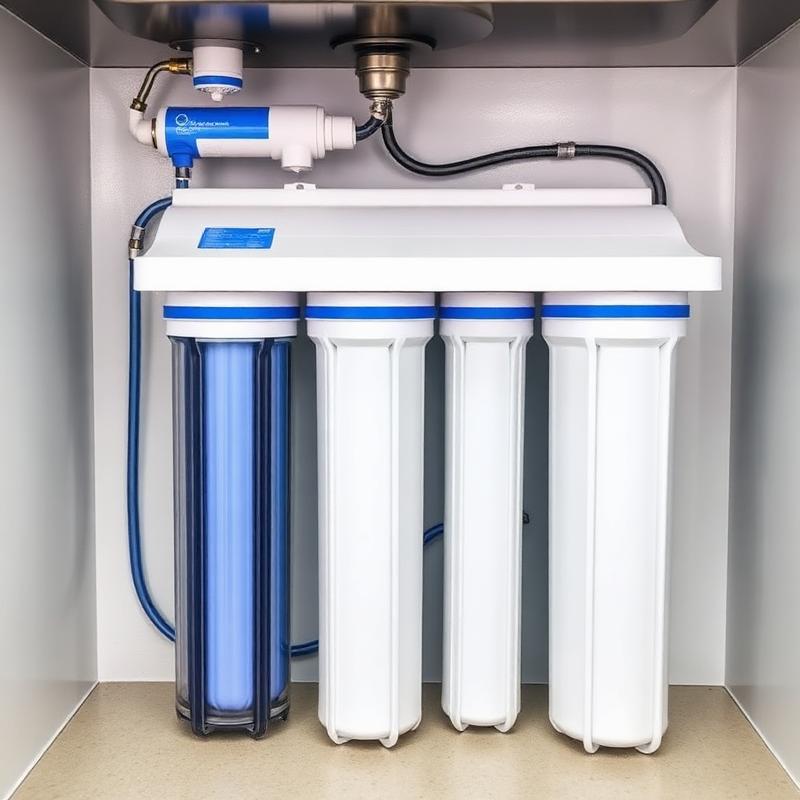
Research demonstrates that these membrane systems typically achieve greater than 90% removal of a wide range of PFAS, including shorter-chain compounds that other methods may miss. Particularly well-suited for point-of-use applications in homes and businesses.
NJ Spill Fund Guidance
What does the Spill Fund pay for?
The Fund pays for, but is not limited to: clean up and removal costs incurred by the Department for contaminated sites and compensation paid for damage claims relating to potable well treatment systems, public waterline installations, remediation of contaminated sites, and real and personal property damages caused by discharges of hazardous substances.
Monies in the Fund are limited, therefore, eligible claims are paid in priority order. The Fund rules at N.J.A.C 7:1J-2.2(b) provides that the administrator prioritize the categories of claims that are eligible for compensation in the following order:
- Potable water restoration and vapor intrusion at residential properties
- Potable water restoration and vapor intrusion mitigation at schools and childcare facilities
- All other categories of claims
For more information about the NJ Spill Fund and eligibility, please visit the NJDEP website.
Environmental Claims Administration Contact Information
General Questions: (609) 984-2076
Fax: (609) 633-2360
Email: srp_spillfund_gq@dep.nj.gov
Need PFAS Testing?
Contact one of these certified labs for comprehensive water testing:
What Our Customers Say
Frequently Asked Questions
How do I know if my water has PFAS contamination?
The only way to know for certain is through laboratory testing by a state-certified lab. Contact one of the certified testing laboratories listed above to schedule water testing. PFAS cannot be detected by taste, smell, or appearance.
What are the health risks associated with PFAS exposure?
Scientific studies suggest that exposure to certain PFAS may lead to various health effects, including increased cholesterol levels, changes in liver enzymes, decreased vaccine response in children, increased risk of thyroid disease, and increased risk of certain cancers. These chemicals accumulate in the body over time.
How much does a PFAS treatment system cost?
The cost varies depending on the system type, size, and your specific water quality needs. Point-of-use systems (like under-sink filters) typically cost less than whole-house POET (point-of-entry treatment) systems. Contact us at (973) 584-1549 for a free consultation and customized quote based on your water test results.
Which PFAS removal technology is best for my home?
The best system depends on your water test results, water usage, and specific needs. GAC systems are effective for whole-house treatment, while reverse osmosis excels for point-of-use applications. Our experts can recommend the optimal solution based on your specific PFAS levels and household requirements.
How often do PFAS treatment systems need maintenance?
Maintenance schedules vary by system type. GAC filters typically need replacement every 12 months, depending on water usage and contamination levels. Reverse osmosis filters need to be replaced yearly and membranes will last up to 3-5 years. We provide regular maintenance reminders and service to ensure optimal performance.
Can boiling water remove PFAS?
No, boiling water does not remove PFAS. In fact, boiling can concentrate PFAS levels as water evaporates. Only specialized filtration and treatment systems like those we install can effectively remove PFAS from drinking water.
Does Portasoft service my area?
Portasoft serves Northern New Jersey, including Morris County and surrounding areas. Call us at (973) 584-1549 to confirm service availability in your specific location.
What certifications should I look for in PFAS treatment systems?
Look for systems certified to NSF/ANSI Standards 53 and 58 for PFAS reduction. These certifications ensure the system has been independently tested and verified to remove specific PFAS compounds. All systems installed by Portasoft meet or exceed these certification standards.
Why Choose Portasoft for PFAS Treatment?
Decades of Expertise
Advanced Technology
Complete Solutions
Local Service
Protect Your Water from PFAS
Contact Portasoft today for expert guidance on PFAS treatment solutions.